Ultimate Adventure Trip Guide: 15 Powerful Secrets for a Safe, Thrilling & Unforgettable Journey
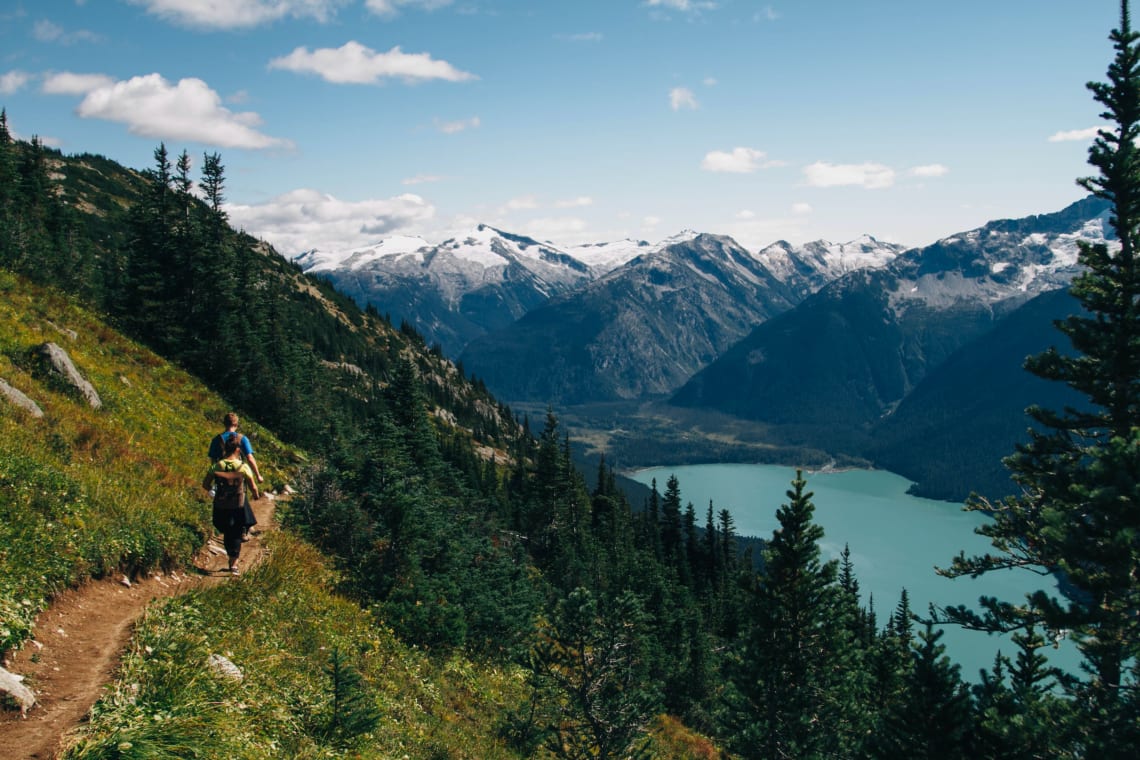
Meta Description: Adventure Trip planning guide with 15 powerful secrets, safety tips, expert advice, packing lists, budgeting strategies, and must-know facts before you go.
Comprehensive Outline
| Heading Level | Title |
|---|---|
| H1 | Ultimate Adventure Trip Guide: 15 Powerful Secrets for a Safe, Thrilling & Unforgettable Journey |
| H2 | Introduction to Planning an Adventure Trip |
| H2 | Why an Adventure Trip Can Transform Your Life |
| H3 | Physical Benefits |
| H3 | Mental and Emotional Growth |
| H3 | Cultural and Social Learning |
| H2 | Things You Must Know Before Planning an Adventure Trip |
| H3 | Assess Your Fitness Level |
| H3 | Research Destination and Climate |
| H3 | Understand Risks and Safety |
| H3 | Legal Permits and Documentation |
| H3 | Travel Insurance Essentials |
| H2 | Choosing the Right Adventure Destination |
| H3 | Mountain Adventures |
| H3 | Water-Based Adventures |
| H3 | Desert and Jungle Expeditions |
| H3 | Snow and Arctic Experiences |
| H2 | Budget Planning for an Adventure Trip |
| H3 | Cost Breakdown Table |
| H3 | Saving Strategies |
| H2 | Essential Gear and Packing Checklist |
| H3 | Clothing Essentials |
| H3 | Technical Equipment |
| H3 | Safety and Emergency Supplies |
| H2 | Health and Safety Guidelines |
| H3 | Vaccinations and Medical Prep |
| H3 | Emergency Planning |
| H2 | Sustainable and Responsible Adventure Travel |
| H2 | 6+ Frequently Asked Questions |
| H2 | Conclusion |
Introduction to Planning an Adventure Trip
An Adventure Trip is more than just travel. It is an exciting journey that challenges your limits, builds resilience, and creates unforgettable memories. Whether you’re hiking high mountains, diving into deep oceans, or trekking through wild forests, an Adventure Trip pushes you out of your comfort zone and into growth.
However, excitement alone isn’t enough. Planning an Adventure Trip requires research, preparation, and smart decision-making. Without proper knowledge, what should be thrilling can quickly become risky. That’s why this detailed guide covers everything you must know before planning your next expedition.
In the first stages, focus on clarity. Ask yourself: What kind of experience do I want? Do I prefer mountains or beaches? Am I seeking calm exploration or extreme adrenaline? Once your goals are clear, planning becomes easier.
Moreover, understanding your skill level is crucial. If you’re new to trekking, jumping straight into a high-altitude climb may not be wise. Instead, build experience step by step.
A successful Adventure Trip depends on five pillars:
- Clear goals
- Physical readiness
- Smart budgeting
- Proper gear
- Risk awareness
When these elements align, your trip becomes powerful and rewarding.
Why an Adventure Trip Can Transform Your Life
An Adventure Trip does more than offer scenic views. It reshapes how you think, act, and respond to challenges. Let’s explore how.
Physical Benefits
Adventure travel often includes hiking, swimming, climbing, or cycling. These activities improve:
- Cardiovascular health
- Muscle strength
- Stamina
- Flexibility
Unlike gym workouts, outdoor activity feels natural and enjoyable. You don’t just exercise—you explore.
Mental and Emotional Growth
Adventure builds confidence. When you cross a river or reach a summit, you prove something to yourself. That confidence carries into daily life.
Furthermore, nature reduces stress. Studies show time outdoors lowers cortisol levels. According to the World Health Organization, physical activity significantly improves mental health (https://www.who.int/news-room/fact-sheets/detail/physical-activity).
An Adventure Trip also improves decision-making. You learn to think quickly and adapt when plans change.
Cultural and Social Learning
Adventure often takes you to remote communities. You meet locals, taste new food, and understand diverse cultures. These interactions broaden your worldview.
In short, adventure travel strengthens your body, sharpens your mind, and opens your heart.
Things You Must Know Before Planning an Adventure Trip
Preparation is the backbone of a successful Adventure Trip. Let’s break down what you absolutely must know.
Assess Your Fitness Level
Be honest about your physical condition. High-altitude trekking demands stamina. Scuba diving requires comfort in water. Train at least 6–8 weeks before intense activities.
You can prepare by:
- Walking 5 km daily
- Strength training twice a week
- Practicing breathing exercises
Small steps make a huge difference.
Research Destination and Climate
Weather can change everything. A mountain that’s pleasant in summer may be dangerous in winter.
Research:
- Temperature ranges
- Rain patterns
- Wildlife risks
- Local emergency services
Understanding climate helps you pack correctly and stay safe.
Understand Risks and Safety
Every Adventure Trip carries risk. However, smart travelers reduce danger by:
- Hiring certified guides
- Checking equipment quality
- Informing family of travel plans
- Learning basic first aid
Knowledge reduces fear and improves confidence.
Legal Permits and Documentation
Certain areas require permits. National parks, mountain regions, and protected forests often need official approval.
Also ensure:
- Passport validity
- Required visas
- Driving permits (if renting vehicles)
Missing paperwork can ruin plans.
Travel Insurance Essentials
Never skip travel insurance. It should cover:
- Medical emergencies
- Evacuation
- Trip cancellation
- Adventure sports coverage
Regular insurance may not cover extreme activities. Always check details carefully.
Choosing the Right Adventure Destination
Selecting the right destination determines your experience. Different landscapes offer different challenges.
Mountain Adventures
Perfect for trekking, mountaineering, and rock climbing.
Best for:
- Fitness lovers
- Nature photographers
- Meditation seekers
Mountains teach patience and persistence.
Water-Based Adventures
Includes:
- Scuba diving
- Rafting
- Surfing
- Kayaking
Water adventures demand strong safety awareness. Always check weather conditions and currents.
Desert and Jungle Expeditions
These environments test survival skills.
Desert trips require:
- Hydration planning
- Sun protection
- Navigation tools
Jungle expeditions demand:
- Insect protection
- Waterproof gear
- Local guides
Snow and Arctic Experiences
Cold climates require specialized clothing and training.
Pack:
- Thermal layers
- Waterproof boots
- Insulated gloves
Each destination offers unique rewards. Choose based on your interests and readiness.
Budget Planning for an Adventure Trip
Many people assume an Adventure Trip is expensive. It doesn’t have to be—if you plan wisely.
Cost Breakdown Table
| Expense Category | Estimated Percentage of Budget |
|---|---|
| Transportation | 30% |
| Accommodation | 20% |
| Gear & Equipment | 15% |
| Permits & Guides | 15% |
| Food | 10% |
| Emergency Fund | 10% |
Saving Strategies
You can reduce costs by:
- Booking early
- Traveling off-season
- Renting instead of buying gear
- Joining group tours
Additionally, create a 10–15% buffer fund. Unexpected expenses happen.
Budget discipline ensures financial peace during your Adventure Trip.
Essential Gear and Packing Checklist
Packing smartly can make or break your Adventure Trip.
Clothing Essentials
- Moisture-wicking base layers
- Weatherproof jacket
- Quick-dry pants
- Extra socks
- Comfortable footwear
Avoid cotton in cold conditions. It retains moisture.
Technical Equipment
Depending on activity:
- Trekking poles
- Climbing harness
- Helmet
- GPS device
- Headlamp
Always test equipment before departure.
Safety and Emergency Supplies
Never travel without:
- First aid kit
- Emergency blanket
- Power bank
- Water purification tablets
- Multi-tool
Preparation equals protection.
Health and Safety Guidelines
Your health is your greatest asset during an Adventure Trip.
Vaccinations and Medical Prep
Check recommended vaccines for your destination. Carry:
- Personal medications
- Prescriptions
- Allergy information
Stay hydrated and eat balanced meals.
Emergency Planning
Create a simple emergency plan:
- Identify nearest hospital
- Save emergency contacts
- Share itinerary with family
- Keep offline maps
Prepared travelers stay calm in crisis.
Sustainable and Responsible Adventure Travel
Adventure travel should respect nature. Protect the environment by:
- Following “Leave No Trace” principles
- Avoiding plastic waste
- Supporting local businesses
- Respecting wildlife
Responsible travel ensures future generations enjoy the same beauty.
Frequently Asked Questions (FAQs)
1. How do I choose the right Adventure Trip for beginners?
Start with moderate activities like short treks or guided kayaking. Avoid extreme conditions until you gain experience.
2. How far in advance should I plan an Adventure Trip?
Ideally, begin planning 3–6 months ahead. This allows time for training, booking, and permit approval.
3. Is travel insurance mandatory?
While not always legally required, it is strongly recommended. Adventure activities can carry higher risks.
4. What fitness level is required?
It depends on the activity. Basic stamina and strength are essential. Train consistently before departure.
5. How can I travel sustainably?
Reduce waste, respect wildlife, and support eco-friendly operators.
6. What are common mistakes to avoid?
- Overpacking
- Ignoring weather forecasts
- Skipping insurance
- Underestimating fitness needs
7. Can solo travelers go on an Adventure Trip safely?
Yes, but proper research, communication, and safety planning are critical.
Conclusion
An Adventure Trip is one of the most powerful ways to grow physically, mentally, and emotionally. With proper planning, smart budgeting, physical preparation, and safety awareness, your journey becomes both thrilling and secure.
Remember, preparation isn’t boring—it’s empowering. When you plan carefully, you travel confidently. And when you travel confidently, you experience adventure at its finest.
So take the first step. Train your body. Research your destination. Pack wisely. Respect nature.
Your unforgettable adventure awaits.