Exploring Indian Tourism & Culture: A Complete Guide
Introduction to India’s Tourism and Cultural Heritage
India, often referred to as the land of diversity, is one of the most fascinating countries in the world when it comes to tourism and culture. Stretching from the snow-covered Himalayas in the north to the serene backwaters of Kerala in the south, and from the golden deserts of Rajasthan in the west to the lush green hills of the northeast, India is a treasure trove of cultural heritage, natural beauty, and historical marvels.
One of the biggest reasons India is a top tourist destination is because it offers something for everyone. Whether you’re a history lover fascinated by ancient temples and forts, a nature enthusiast looking to explore wildlife sanctuaries and mountains, or a spiritual seeker searching for peace in meditation retreats, India has it all. The country welcomes millions of tourists every year who are drawn to its colorful traditions, delicious cuisine, diverse landscapes, and warm hospitality.
The diversity of Indian culture is what makes it so unique. It is a blend of traditions, rituals, languages, cuisines, festivals, and art forms. With over 1.4 billion people, India is home to multiple religions such as Hinduism, Islam, Christianity, Sikhism, Buddhism, and Jainism, all of which contribute to its vibrant cultural fabric. Every region has its own distinct identity, whether it’s in the form of music, food, festivals, or dress. This vast cultural landscape makes India not just a destination to visit but an experience to cherish for a lifetime.
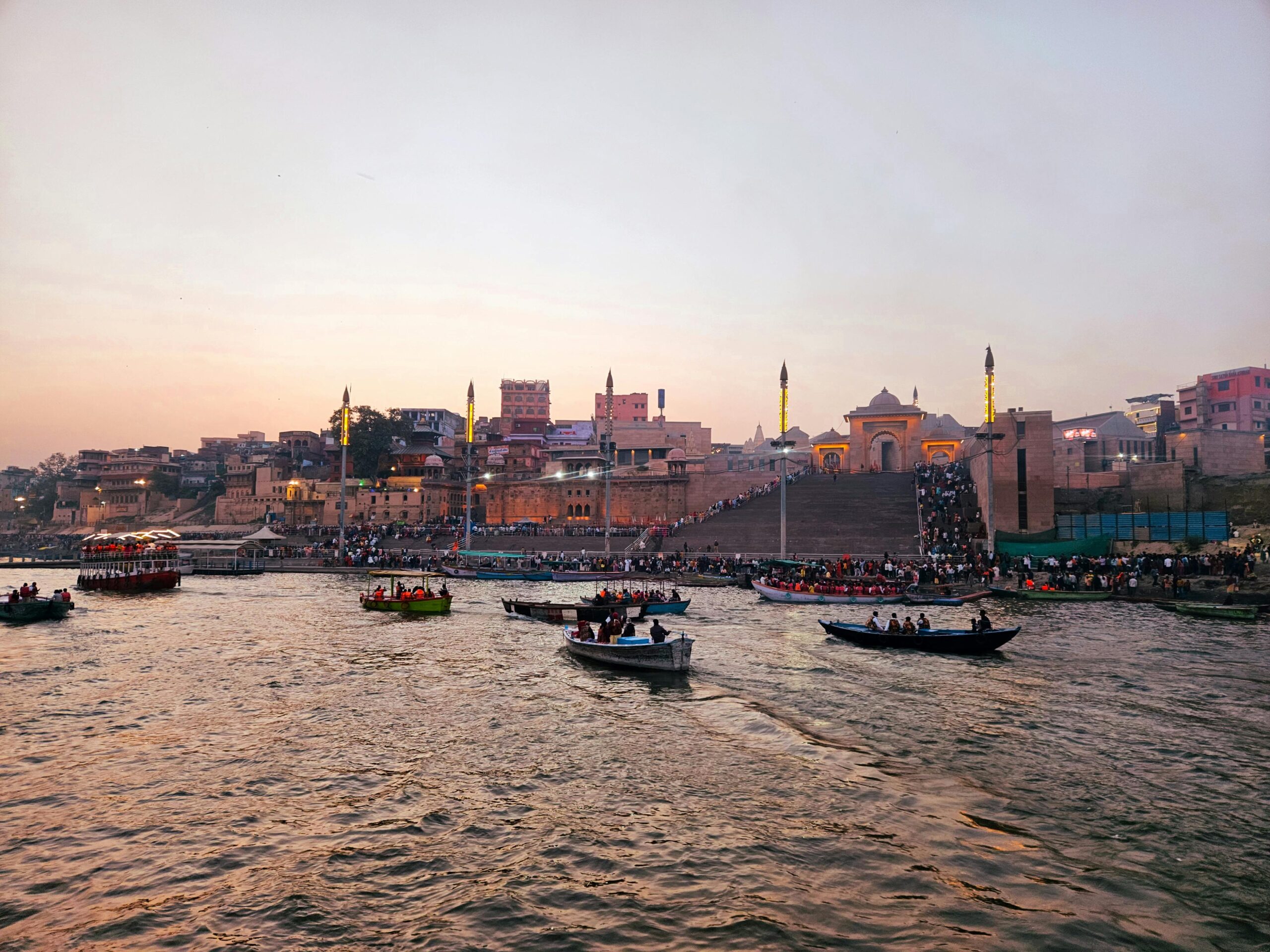
Tourism in India is more than just sightseeing—it is about immersing yourself in the soul of the nation. Travelers can walk through centuries-old temples, admire architectural wonders, join in the festive celebrations, taste diverse cuisines, and connect with locals who proudly share their traditions. This makes India not just a travel spot but a cultural journey that stays with you forever.
Historical Significance of Indian Tourism
India’s cultural and tourism landscape is deeply rooted in its ancient civilizations. With a history stretching back over 5,000 years, India has been the cradle of civilization, home to the Indus Valley Civilization, one of the world’s oldest. Cities like Mohenjo-Daro and Harappa reflect advanced urban planning, architecture, and art from centuries ago. This rich past continues to attract historians, archaeologists, and curious travelers.
Throughout history, India has been ruled by different dynasties and empires—Mauryas, Guptas, Mughals, and British—each leaving behind a legacy that shaped the culture and tourism industry. The Mughals, for instance, introduced Persian-inspired architecture, which can be seen in the Taj Mahal, Red Fort, and Fatehpur Sikri. Similarly, the Chola and Vijayanagara dynasties contributed to magnificent temples in South India that still stand as architectural marvels.
Pilgrimage has always been a key part of Indian tourism. Since ancient times, travelers from far-off lands visited India to explore its spiritual traditions. Buddhism spread across Asia from India, with great centers like Nalanda and Bodh Gaya drawing seekers from around the world. Hindu pilgrimage routes like the Char Dham and Kumbh Mela continue to attract millions of devotees, making spiritual tourism one of the strongest pillars of India’s tourism sector.
Colonial rule also left its mark on Indian culture and architecture. The British introduced railways, Gothic-style churches, and Victorian architecture, which blended with existing Indian styles to create unique landmarks. Today, travelers can see this fusion in cities like Kolkata, Mumbai, and Chennai.
India’s historical richness isn’t just confined to monuments and temples—it lives in its traditions, oral storytelling, classical literature, and art forms. The historical significance of tourism in India is therefore not just about visiting old sites but about experiencing the continuity of culture that has thrived for millennia.
Geographical Diversity and Tourism in India
One of India’s biggest strengths in tourism is its geographical diversity. From towering mountains to golden beaches, dense forests to dry deserts, the country offers a unique blend of landscapes that cater to all kinds of travelers.
Northern India – The Land of Himalayas and Spiritual Retreats
Northern India is blessed with the majestic Himalayas, which attract adventure seekers, trekkers, and spiritual travelers alike. Popular destinations like Shimla, Manali, Leh-Ladakh, and Kashmir offer breathtaking mountain views, skiing, trekking, and camping opportunities. The region is also home to spiritual centers like Rishikesh and Haridwar, known for yoga, meditation, and river Ganga rituals.
Southern India – Temples, Beaches, and Backwaters
Southern India is known for its ancient temples, lush landscapes, and tranquil backwaters. States like Tamil Nadu and Karnataka boast some of the finest Dravidian-style temples, while Kerala is world-famous for its houseboat cruises in the backwaters. Goa, with its Portuguese heritage and sandy beaches, attracts both domestic and international tourists.
Western India – Deserts, Forts, and Cultural Vibrance
Western India presents a completely different picture with the Thar Desert in Rajasthan, the white salt desert of Kutch in Gujarat, and the bustling city life of Mumbai. Rajasthan’s forts, palaces, and folk culture make it a hotspot for tourists, while Gujarat showcases the Gir National Park, famous for Asiatic lions.
Eastern India – Traditions, Temples, and Natural Beauty
Eastern India is known for its rich tribal culture, ancient temples, and scenic landscapes. Odisha is home to the Konark Sun Temple and Jagannath Temple, while West Bengal boasts colonial heritage in Kolkata and the natural beauty of the Sunderbans. The northeastern states, often called the “Seven Sisters,” are known for their untouched beauty, festivals, and unique traditions.
This geographical variety ensures that every traveler finds something unique in India. Whether it’s adventure, spirituality, relaxation, or cultural exploration, India’s landscapes provide a complete travel package.
Indian Architecture and Monuments
Indian architecture is a living museum that reflects the cultural, religious, and historical influences of various dynasties and civilizations. From ancient temples carved out of stone to Mughal-era palaces and colonial structures, the monuments of India tell the story of its glorious past.
The Taj Mahal – Symbol of Eternal Love
No discussion of Indian tourism is complete without mentioning the Taj Mahal, a UNESCO World Heritage Site and one of the Seven Wonders of the World. Built by Mughal Emperor Shah Jahan in memory of his wife Mumtaz Mahal, the Taj Mahal is a masterpiece of white marble architecture that attracts millions of visitors each year. Its intricate carvings, symmetrical design, and the reflection of the monument in the Yamuna River make it a true architectural marvel.
Temples of Khajuraho, Ellora, and Konark
India is home to some of the most magnificent temples in the world. The Khajuraho temples in Madhya Pradesh are famous for their intricate erotic carvings, showcasing the artistic brilliance of the Chandela dynasty. The Ellora caves in Maharashtra depict Hindu, Buddhist, and Jain monuments carved out of rock, while the Konark Sun Temple in Odisha is shaped like a giant chariot with detailed stone carvings.
Forts and Palaces of Rajasthan
Rajasthan, known as the Land of Kings, boasts some of the grandest forts and palaces in India. Jaipur’s Amber Fort, Jodhpur’s Mehrangarh Fort, and Udaipur’s City Palace are just a few examples of the architectural excellence of Rajput rulers. These structures not only served as military strongholds but also as cultural centers filled with art, music, and tradition.
Colonial Architecture and Influence
The colonial era introduced a new dimension to Indian architecture. Cities like Kolkata, Mumbai, and Chennai feature Gothic churches, Victorian buildings, and Indo-Saracenic styles. The Victoria Memorial in Kolkata, Gateway of India in Mumbai, and the Rashtrapati Bhavan in New Delhi are iconic reminders of India’s colonial past blended with indigenous styles.
Indian architecture is not just about monuments—it’s about living heritage. Even today, many cities and villages preserve their traditional architectural styles, keeping the spirit of history alive while blending with modernity.
Festivals and Cultural Celebrations in India
Festivals are at the heart of Indian culture. They reflect the country’s spiritual diversity, agricultural traditions, and cultural vibrancy. Almost every month, India celebrates one festival or another, making it one of the most festive countries in the world.
Religious Festivals – Diwali, Eid, Christmas, and More
Diwali, the Festival of Lights, is one of the most widely celebrated festivals in India. It symbolizes the victory of light over darkness and good over evil. Eid, celebrated by the Muslim community, brings together families with prayers and feasts. Christmas is marked with midnight masses and festivities, especially in Goa and Kerala. Buddhism, Sikhism, and Jainism also have their special festivals, making India a true land of unity in diversity.
Harvest Festivals – Pongal, Baisakhi, Onam
Being an agrarian society, India celebrates harvest festivals across different states. Pongal in Tamil Nadu, Baisakhi in Punjab, and Onam in Kerala are some of the major celebrations where communities come together to express gratitude for a good harvest. These festivals are often accompanied by traditional dances, feasts, and folk music.
Cultural Fairs and Dance Festivals
India also hosts several cultural fairs like the Pushkar Camel Fair in Rajasthan, where thousands of camels, horses, and cattle are traded. Dance festivals like the Konark Dance Festival in Odisha and Khajuraho Dance Festival in Madhya Pradesh showcase India’s classical dance heritage.
Festivals in India are not just celebrations; they are expressions of joy, community, and spirituality. For tourists, these festivals provide an authentic experience of India’s cultural richness.
FAQs About Indian Tourism & Culture.
1. What makes India a unique travel destination compared to other countries?
India is unique because of its diversity in culture, landscapes, languages, festivals, and traditions. From snow-capped mountains to golden deserts, from centuries-old temples to modern skyscrapers, India offers an unmatched blend of history, spirituality, and natural beauty.
2. Which are the must-visit cultural destinations in India?
Some must-visit cultural destinations include the Taj Mahal in Agra, Jaipur’s forts and palaces, Varanasi for spiritual experiences, Khajuraho temples, Konark Sun Temple, Kerala’s backwaters, and the holy city of Amritsar with the Golden Temple.
3. When is the best time to travel to India for cultural experiences?
The best time to explore India’s cultural side is during its festival seasons (October to March). Diwali, Holi, Durga Puja, Eid, and Christmas are celebrated with grandeur. Winter is also the most comfortable season for exploring monuments, wildlife, and traditional fairs.
4. How important are festivals in India’s tourism industry?
Festivals are a major attraction for tourists. They showcase India’s cultural richness, music, dance, rituals, and cuisines. Many tourists plan their trips around festivals like Holi, Diwali, or Onam to experience authentic traditions.
5. What are some popular forms of traditional Indian art and handicrafts?
India is famous for its handloom textiles, pottery, tribal paintings, jewelry, carpets, wood carvings, and metal crafts. Regions like Rajasthan, Gujarat, Odisha, and West Bengal are particularly renowned for their handicrafts, making them popular among tourists for souvenirs.