Know Before You Travel Internationally: Essential Tips for a Safe & Smooth Vacation
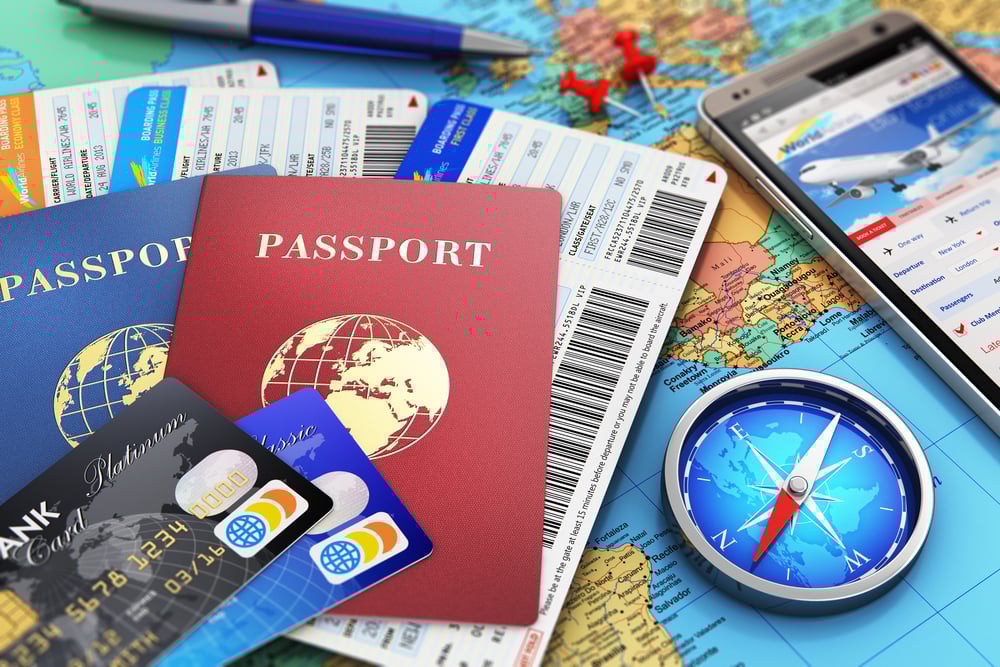
Planning your dream international holiday? Before you grab your passport and head to the airport, there are several important things you need to know to ensure your trip goes smoothly. From visa requirements to currency tips, knowing what to expect can save you time, money, and stress.
Whether you’re a first-time traveler or a seasoned explorer, this guide will help you be fully prepared before you fly. ✈️
🧳 1. Check Passport Validity
Most countries require your passport to be valid for at least 6 months beyond your travel dates. Double-check the expiration date to avoid being turned away at the airport.
Pro Tip: Renew your passport at least 6–8 months before it expires if you plan to travel.
🌍 2. Understand Visa Requirements
Visa policies vary by destination. Some countries offer visa-free access, others require an eVisa or visa on arrival, and a few may need you to apply weeks in advance.
- Use official embassy websites or trusted sources like iVisa.com to check requirements.
- Print a copy of your visa approval if it’s electronic.
💉 3. Health & Vaccination Rules
Some countries require proof of vaccinations, especially for yellow fever, COVID-19, or polio. Research local health regulations and check if you need:
- Travel vaccines
- Health insurance coverage
- Medical prescriptions translated into the local language
Tip: Visit a travel clinic at least 4–6 weeks before departure.
💸 4. Currency Exchange & Budgeting
Don’t rely entirely on your home currency or card. Learn about the local currency and how far your money goes. Avoid exchanging money at airports, which often offer poor rates.
- Use a currency exchange app like XE.
- Notify your bank about your travel dates to prevent card blocks.
- Carry some cash in the local currency for emergencies or remote areas.
📱 5. Phone Plans & Internet Access
International roaming fees can be shocking. Before you travel, research:
- Local SIM cards (often the most affordable option)
- International data plans from your carrier
- Using free Wi-Fi safely (use a VPN for added security)
🛡️ 6. Travel Insurance Is a Must
Never travel abroad without insurance. It protects you from unexpected events like medical emergencies, trip cancellations, and lost baggage.
Look for:
- Emergency medical coverage
- Trip interruption protection
- 24/7 assistance services
🧭 7. Learn Local Laws & Customs
Respecting local culture and laws is not just polite—it’s essential. What’s normal at home might be illegal abroad.
- Dress codes (especially in religious areas)
- Alcohol restrictions
- Local etiquette and gestures
- Photography rules in sensitive areas
✈️ 8. Airport & Immigration Procedures
International airports can be confusing. Arrive at least 3 hours before your flight and make sure you know:
- Whether you need to fill out customs forms
- Baggage restrictions and allowances
- Transit visa rules if you have a layover
🗺️ 9. Plan Your Itinerary (But Stay Flexible)
It’s great to have a plan, but leave room for spontaneity. Research your destination’s:
- Top attractions and hidden gems
- Local transportation (metro, buses, taxis, apps)
- Safety ratings and areas to avoid
Use tools like Google Maps offline, TripAdvisor, and Rome2Rio to stay organized.
🔌 10. Know the Power Plug Type
Different countries use different voltage and plug types. Bring a universal adapter and check the voltage to avoid frying your electronics.
🏨 11. Book Accommodation Wisely
Use trusted platforms like Booking.com, Airbnb, or Agoda. Look for:
- Verified reviews
- Safety and cleanliness ratings
- Proximity to public transport
📑 12. Keep Copies of Important Documents
Always carry both physical and digital copies of your:
- Passport
- Visa
- Travel insurance
- Flight and hotel bookings
- Emergency contacts
Store them securely in cloud storage and keep a backup in your luggage.
🚨 13. Emergency Numbers & Embassy Info
Know the local emergency numbers (like 112 or 911 equivalents) and save your country’s embassy contact at your destination.
They can help if:
- You lose your passport
- You’re in legal trouble
- You face emergencies like natural disasters
🌟 Final Thoughts
Traveling internationally is exciting, eye-opening, and unforgettable—but being unprepared can turn a dream vacation into a nightmare. By planning ahead and knowing what to expect, you’ll travel smarter, safer, and with peace of mind.
So pack your bags, check your documents, and prepare for the journey of a lifetime!
✈️ SEO Bonus Section: Keywords to Target
- International travel checklist
- Things to know before traveling abroad
- First-time international travel tips
- Travel planning guide
- Passport and visa requirements
- Budget travel preparation
❓ Frequently Asked Questions (FAQs)
1. What documents do I need to travel internationally?
To travel internationally, you typically need a valid passport, visa (if required), proof of travel insurance, and copies of flight and accommodation bookings. Some countries may also ask for proof of vaccination or financial means.
2. How can I find out if I need a visa for a country?
Check the official embassy website of your destination or use trusted tools like iVisa.com. Visa requirements depend on your nationality and destination country.
3. Is travel insurance really necessary for international travel?
Yes. Travel insurance covers medical emergencies, trip cancellations, lost baggage, and other unexpected issues abroad. Many countries now require proof of travel insurance for entry.
4. What vaccinations should I get before traveling abroad?
Required vaccinations vary by destination. Common ones include:
- Yellow fever
- Typhoid
- Hepatitis A & B
- COVID-19
Always check with a travel clinic or your doctor 4–6 weeks before departure.
5. How can I avoid high phone bills while traveling internationally?
To avoid roaming charges:
- Buy a local SIM card
- Use international plans from your provider
- Connect to Wi-Fi and use a VPN for security
6. Should I exchange currency before or after arriving in another country?
It’s best to exchange a small amount before arrival for essentials, then use local ATMs or currency exchange services in the destination city for better rates. Avoid airport exchange counters if possible.
7. What is the safest way to carry money while traveling internationally?
Use a mix of:
- Cash (local currency)
- Travel cards or international debit cards
- Hidden money belts or pouches
Avoid carrying large sums of cash and keep backups in separate locations.
8. What should I do if I lose my passport abroad?
Immediately:
- Report it to the local police
- Visit your home country’s embassy or consulate
- Apply for an emergency travel document
Keep digital and paper copies of your passport to speed up the process.
9. Can I travel with prescription medication internationally?
Yes, but bring:
- A doctor’s note or prescription
- The medication in its original packaging
Some countries may restrict certain medications, so check local regulations in advance.
10. How do I stay safe when traveling internationally?
- Stay in well-reviewed accommodations
- Avoid risky areas, especially at night
- Use official taxis or ride-sharing apps
- Be cautious with personal belongings in crowded areas
- Keep emergency contacts and embassy information handy
11. How early should I arrive at the airport for international flights?
Arrive at least 3 hours before your departure to allow time for:
- Check-in and baggage drop
- Immigration and security
- Gate boarding procedures
12. What is the best way to stay connected online while traveling?
- Buy a local prepaid SIM card
- Use portable Wi-Fi devices
- Activate your carrier’s international data plan
- Connect to Wi-Fi in hotels and cafes, using a VPN for safety
13. Do I need to know the local language before traveling abroad?
No, but learning a few basic phrases in the local language helps with communication and shows respect for the culture. Apps like Google Translate can assist in real-time.
14. Can I drink tap water in foreign countries?
It depends on the country. In many places, tap water is not safe to drink. Always check local guidelines and consider using bottled water or a water purifier.
15. How can I avoid jet lag when traveling internationally?
To reduce jet lag:
- Adjust your sleep schedule a few days before departure
- Stay hydrated during the flight
- Get sunlight at your destination
- Avoid caffeine and alcohol while flying